How to tell if a socket needs replacing? 7 signs not to ignore
The electrical socket is one of the most frequently used parts of an electrical installation, yet it is also one of the most neglected components. Most people do not think about its condition until the socket starts to overheat, becomes loose, or stops working altogether.
In practice, we often see that problems start with small signs that are considered insignificant. In reality, these can indicate worn contacts or a faulty connection, and in the worst case, lead to electric shock or fire.
If you notice any of the signs described below, you should definitely have the socket checked or replaced.
1. The socket is overheating
One of the clearest warning signs is if the socket or the plug becomes warm during use.
A slight warming under a high load might be normal, but a hot socket is not.
This can be caused by:
-
worn contacts;
-
loose terminals;
-
oxidized connections;
-
excessive load on the same circuit.
If you also smell burning plastic, stop using the socket and have the electrical installation checked.
2. The plug is loose or falls out of the socket
A socket in good condition holds the plug firmly in place.
If the plug moves freely in the socket or falls out with a slight pull, the contacts are worn.
Such a connection can start to spark, overheat, and damage both the socket and the connected devices.
In practice, this is one of the most common reasons why a socket is replaced.
3. The socket makes crackling noises or there are visible sparks
If a strong spark occurs when connecting a plug or if you hear a crackling sound during use, this should not be considered normal.
Such symptoms usually indicate a poor connection.
The longer you continue to use the problem area, the more the connection will heat up and wear out.
4. The socket plastic is cracked or melted
Check the socket visually from time to time.
If you notice:
-
cracks;
-
melted plastic;
-
discoloration;
-
burn marks,
you should definitely replace the socket.
A damaged housing no longer adequately protects the electrical parts and increases the risk of short circuits and electric shock.
5. The socket is not suitable for the environment
Not every socket is suitable for every room.
For example:
-
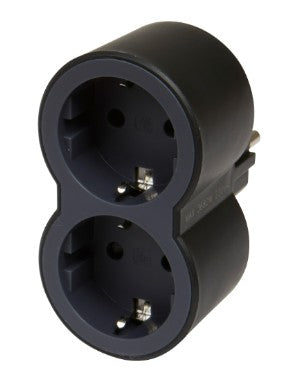
IP20 is suitable for dry indoor rooms;
-
IP44 is suitable for damp rooms and sheltered areas;
-
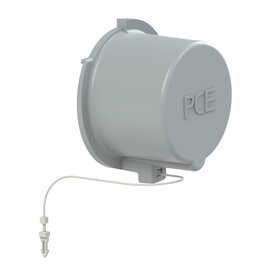
IP65 or IP67 are designed for outdoor use and more challenging environments.
We often encounter situations where a standard indoor socket has been installed in a bathroom or outdoors. Such a solution does not meet safety requirements and can cause serious problems.
6. The socket is very old
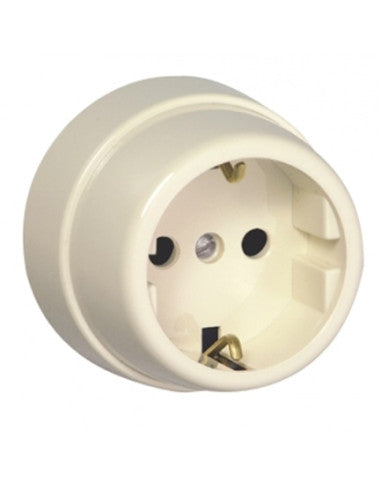
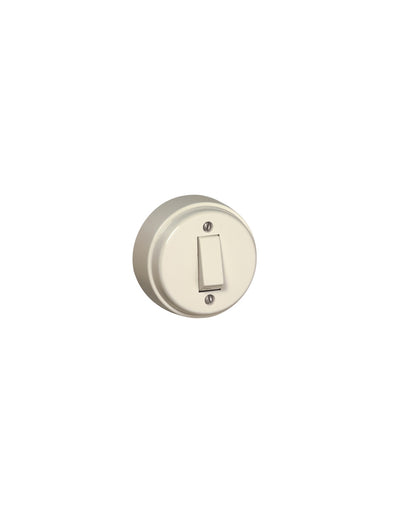
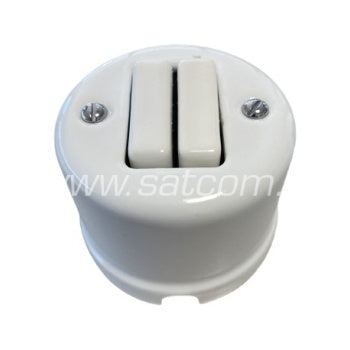
In older buildings, you may still find bakelite sockets or ones installed decades ago.
Although they may appear to work at first glance, both the contacts and the insulation material degrade over time.
An old socket may have:
-
worn contacts;
-
brittle plastic parts;
-
weakened springs;
-
reduced contact pressure.
Even a working socket may no longer be safe.
7. The residual current device (RCD) trips when using this specific socket
If the RCD turns off every time you use the same socket, the problem may not be with the device.
The cause could be:
-
a faulty socket;
-
moisture in the socket;
-
a damaged connection;
-
an insulation fault.
In this case, it is worth having an electrician check the socket.
How to extend the service life of a socket?
The lifespan of a socket depends largely on its quality and usage.
We recommend:
-
using high-quality sockets;
-
choosing a model with the correct IP rating for the usage area;
-
avoiding overloading circuits;
-
checking occasionally that the plug fits firmly in the socket;
-
having the electrical installation in older buildings inspected regularly.
A properly installed, high-quality socket can work without issues for years.
Frequently asked questions
Is a hot socket dangerous?
Yes. If a socket becomes hot or there is a smell of burning plastic, you must stop using it and have the connections checked.
Should a loose socket be replaced?
Yes. Worn contacts can cause sparks, overheating, and electrical failures.
How long does a socket last?
There is no fixed service life. A high-quality socket can last for decades, but with frequent use, heavy loads, or unsuitable environments, wear and tear can occur significantly faster.
Is it worth replacing an old socket even if it still works?
If a socket is very old, damaged, or no longer meets the requirements for its location, replacing it is a sensible investment in electrical safety.
Summary
A socket should not start to overheat, become loose, crack, or spread a smell of burning. These are signs that the connection may no longer be safe.
A high-quality socket replaced in time helps prevent electrical failures, extends the life of connected devices, and makes the electrical installation safer.
If you are looking for high-quality indoor, moisture-resistant, or industrial sockets, you will find suitable solutions at the Elektripood.ee online store.